


how to study effectively in education is no longer determined by the number of hours spent with books. In 2026, learning has become smarter, more personalized, and supported by technology that helps students understand concepts faster than ever before. The modern education system encourages active learning, critical thinking, and practical application rather than simple memorization.
Students today have access to online courses, AI-powered study tools, digital libraries, and interactive learning platforms. While these resources are valuable, they can also become overwhelming without a proper study plan. Building effective habits is the key to achieving consistent academic success and reducing unnecessary stress.
Many learners spend long hours studying but fail to retain information because they rely on outdated methods. Learning science now shows that techniques such as active recall, spaced repetition, and focused study sessions produce much better results than passive reading.
If you are searching for how to study effectively, understanding modern learning strategies will help you improve concentration, remember information for longer, and perform better in exams without exhausting yourself.
Whether you are a school student, college learner, university graduate, or lifelong learner, this guide presents practical strategies that fit today’s educational environment and prepare you for future academic challenges.
Key Points
- Understand how the brain learns and remembers information.
- Create a distraction-free study environment.
- Use modern learning techniques instead of memorization.
- Build a realistic study schedule.
- Improve focus through active learning.
- Use AI and digital tools wisely.
- Maintain physical and mental well-being for better performance.
- Prepare for exams with confidence instead of anxiety.
Build a Strong Learning Foundation
Every successful learner begins with a clear purpose. Before opening a textbook or starting an online lecture, identify exactly what you want to achieve during the study session. Setting clear objectives gives your brain direction and improves motivation.

Many students struggle academically because they begin studying without setting clear goals or following a structured schedule. Without a well-organized plan, it becomes difficult to stay focused, cover important topics, and make steady progress. Instead of randomly switching between subjects, divide your work into manageable tasks. This approach makes learning less stressful and much more productive.Understanding how to study effectively begins with setting realistic goals that can be completed within a specific period. Small achievements create momentum and encourage continuous learning.
For example, instead of saying, “I will study biology today,” define a clear objective such as:
- Complete one chapter.
- Solve twenty practice questions.
- Revise key diagrams.
- Write short summary notes.
These measurable goals help track progress and increase confidence.
Example
A university student preparing for final exams divides a three-hour study session into three focused topics instead of attempting an entire subject at once. As a result, concentration remains high, and information is retained more effectively.
Benefits
- Reduces confusion.
- Improves motivation.
- Makes revision easier.
- Encourages steady academic progress.
- Prevents last-minute cramming.
Create an Environment That Supports Deep Focus
Your study environment directly affects your ability to learn. Even the best study techniques become less effective when constant distractions interrupt concentration.
Modern students face numerous interruptions from smartphones, social media notifications, emails, and background noise. Creating a dedicated learning space significantly improves productivity.
When practicing how to study effectively, choose a quiet location with proper lighting, a comfortable chair, and minimal distractions. Keep only the materials needed for the current study session on your desk.
Simple improvements can make a noticeable difference:

- Turn off unnecessary notifications.
- Keep your phone away while studying.
- Use noise-canceling headphones if needed.
- Organize books and notes before starting.
- Keep water nearby to stay hydrated.
Good lighting also reduces eye strain during long study sessions. Natural daylight is ideal, but quality desk lighting works well when studying at night.
Example
Two students prepare for the same mathematics exam. One studies while checking social media every few minutes, while the other keeps all distractions away for 45 minutes at a time. The focused student completes more practice questions and remembers concepts more accurately.
Advantages
- Better concentration.
- Increased productivity.
- Faster task completion.
- Improved memory retention.
- Less mental fatigue.
Replace Passive Reading with Active Learning
Reading a textbook repeatedly may feel productive, but research consistently shows that active learning produces much stronger results.
Active learning requires your brain to retrieve, organize, and explain information instead of simply recognizing it. This strengthens long-term memory and improves understanding.
Students interested in how to study effectively should spend more time interacting with information rather than just reading it.
Effective active-learning strategies include:
- how to study effectively
- Teaching a topic to someone else.
- Creating flashcards.
- Solving practice questions.
- Drawing mind maps.
- Summarizing chapters after reading.
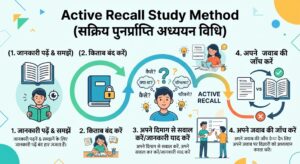
One highly effective method is active recall. After finishing a topic, close the book and write everything you remember. Then compare your answers with the original material to identify gaps in understanding.
Another powerful technique is spaced repetition, where topics are reviewed over increasing intervals instead of all at once. This method strengthens memory and reduces forgetting.
Example
Instead of reading a history chapter five times, a student creates flashcards and quizzes themselves every two days. After one month, recall remains significantly higher than with repeated reading alone.
Why Active Learning Works
- Encourages deeper understanding.
- Improves long-term memory.
- Builds confidence.
- Makes revision faster.
- Increases exam performance.
Modern education rewards understanding rather than memorization. Students who actively engage with information become independent learners capable of solving problems in real-world situations.
By replacing passive habits with interactive study techniques, learners build stronger knowledge that remains useful long after examinations are over.
Master Your Time with Smart Study Planning
Time management is one of the biggest factors that separates successful students from those who constantly struggle to keep up with assignments and exams. Studying for long hours without a structured plan often leads to mental fatigue and poor retention. A smart schedule allows you to learn more in less time while maintaining a healthy balance between academics and personal life.

Understanding how to study effectively means learning to value quality over quantity. A focused two-hour study session is usually more productive than spending six distracted hours with your books open.
Start by creating a weekly study timetable. Assign each subject a specific time slot based on its difficulty and upcoming deadlines. Challenging subjects should be studied when your energy levels are highest, such as in the morning or after a short break.
A practical study schedule should include:
- Daily learning goals.
- Revision sessions.
- Practice tests.
- Short breaks after every 45–60 minutes.
- Time for physical exercise and relaxation.
One of the most popular how to study effectively is the Pomodoro Technique. Study for 25 to 50 minutes, then take a 5 to 10-minute break. After completing four focused sessions, take a longer break of 20 to 30 minutes. This technique helps maintain concentration and prevents burnout.
Example
A college student preparing for semester exams studies physics from 8:00 to 9:00 AM, mathematics from 10:00 to 11:00 AM, and spends the evening revising previous lessons. Instead of feeling overwhelmed, the student remains organized and confident throughout the exam season.
Advantages of Smart Planning
- Improves productivity.
- Reduces last-minute stress.
- Builds consistent study habits.
- Helps balance academics and personal life.
- Makes large projects easier to complete.
Use Technology and AI as Learning Partners
Education in 2026 is powered by technology. Artificial Intelligence has transformed the way students learn by offering personalized explanations, instant feedback, and customized learning experiences. However, technology should support your learning rather than replace your thinking.

Students exploring how to study effectively can benefit greatly from digital tools when they are used responsibly. AI-powered platforms can explain difficult concepts, generate quizzes, summarize notes, and recommend personalized study plans.
Some useful digital resources include:
- Flashcard applications.
- Digital note-taking tools.
- AI study assistants.
- Online practice tests.
- Educational video platforms.
- Interactive learning apps.
While these tools save time, avoid how to study effectively on them completely. Always verify important information through textbooks, teachers, or trusted educational resources. Independent thinking remains one of the most valuable academic skills.
Technology can also improve organization. Digital calendars, reminder apps, and task management tools help students track assignments, project deadlines, and examination dates without missing important responsibilities.
Example
A university student uses AI to understand a difficult chemistry concept, watches an educational video for visual explanation, and then solves textbook exercises independently. This combination strengthens both understanding and problem-solving skills.
Best Practices for Using Technology
- Use AI to learn, not to copy assignments.
- Limit unnecessary screen time.
- Organize digital notes properly.
- Save reliable educational resources.
- Review information before exams instead of relying only on online summaries.
Responsible use of technology increases efficiency while preserving genuine learning and critical thinking skills.
Stay Motivated Through Healthy Habits and Consistency
Academic success depends not only on study techniques but also on your physical and mental well-being. A tired brain cannot absorb information effectively, regardless of how many hours you spend studying.
Learning how to study effectively also means taking care of yourself. Healthy habits improve concentration, memory, creativity, and overall academic performance.
Sleep is one of the most important factors in learning. During sleep, the brain processes and stores new information. Students who regularly sacrifice sleep often experience lower concentration and weaker memory recall.
Equally important is maintaining a balanced diet. Nutritious foods provide the energy needed for long study sessions. Drinking enough water also supports brain function and helps maintain focus throughout the day.
Physical activity should not be ignored. Even a 20-minute walk, light stretching, or regular exercise can reduce stress and improve mental clarity.
Healthy habits that support learning include:

- Sleeping 7–9 hours every night.
- Eating balanced meals.
- Drinking enough water.
- Exercising regularly.
- Practicing mindfulness or meditation.
- Taking short breaks between study sessions.
Another important factor is consistency. Studying a little every day is far more effective than trying to learn everything in one night before an exam.
Example
Two students prepare for the same entrance examination. One studies only during the final week, while the other studies consistently for two months with regular revision. The second student feels less stressed and performs significantly better because learning has been reinforced over time.
Importance of Consistency
Consistency develops discipline, strengthens long-term memory, and makes studying a natural habit rather than a stressful task. Small daily improvements eventually produce remarkable academic results.
Benefits of Healthy Study Habits
- Better concentration.
- Improved memory retention.
- Reduced anxiety.
- Higher confidence during exams.
- Increased academic performance.
- Better work-life balance.
- Greater long-term learning success.
By combining effective planning, responsible use of technology, and healthy daily habits, students create a strong foundation for continuous improvement. These modern strategies not only enhance academic performance but also prepare learners for future careers where adaptability, critical thinking, and lifelong learning are essential.
As educational methods continue to evolve, students who embrace smarter learning techniques instead of harder studying will remain ahead in an increasingly competitive world. Developing these habits today will continue to provide benefits throughout higher education and professional life.
Prepare for Exams with Confidence and Keep Learning for Life
Examinations are often viewed as the final measure of academic success, but they are only one part of the learning journey. Effective preparation focuses on understanding concepts, practicing regularly, and managing stress rather than relying on last-minute memorization.
Students searching for how to study effectively should begin exam preparation weeks in advance. Early preparation provides enough time to review difficult topics, identify weak areas, and build confidence before the examination day.
One of the most successful revision strategies is to combine multiple learning methods instead of depending on a single approach. Reading notes, solving past papers, participating in group discussions, and taking mock tests all contribute to stronger understanding.
Before every examination, make sure to:
- Review important formulas and definitions.
- Solve previous exam papers.
- Practice under timed conditions.
- Revise difficult topics first.
- Prepare short summary notes.
- Get enough sleep before the exam.
- Stay calm and confident.
Remember that mistakes made during practice are valuable learning opportunities. Every incorrect answer helps identify areas that need improvement before the actual examination.
Example
A student preparing for a final mathematics exam spends the last three weeks solving previous papers instead of rereading the textbook. This approach improves speed, accuracy, and confidence, leading to significantly better results.
Another important habit is self-evaluation. After each study session, ask yourself what you learned, which topics remain confusing, and what should be revised tomorrow. This simple reflection encourages continuous improvement and prevents knowledge gaps from becoming larger.
Students who understand how to study effectively also recognize that learning never ends after examinations. Every new skill learned today creates opportunities for future education, career growth, and personal development.
Importance of Effective Study Habits
Modern education requires students to think critically, solve problems creatively, and adapt to changing technologies. Strong study habits build these abilities while making learning more enjoyable and meaningful.
Understanding how to study effectively helps students:
- Learn faster with less stress.
- Improve academic performance.
- Develop independent learning skills.
- Increase confidence in classrooms and examinations.
- Prepare for higher education and future careers.
- Build lifelong learning habits.
These advantages extend beyond school and university because disciplined learning benefits professional development throughout life.
Benefits of Modern Learning Strategies
Using modern study techniques provides measurable improvements in both academic performance and personal growth.
Some of the biggest benefits include:
- Better concentration during study sessions.
- Improved memory retention.
- Higher examination scores.
- Reduced anxiety before tests.
- Increased productivity.
- Stronger critical thinking skills.
- Better time management.
- Greater self-confidence.
- More balanced daily routine.
- Continuous personal and professional development.
Students who apply these strategies consistently often discover that studying becomes more interesting, organized, and rewarding.
Advantages of Learning Smarter Instead of Harder
Modern learning is not about spending every available hour with books. Instead, it focuses on maximizing understanding while protecting physical and mental well-being.
Key advantages include:
- Saves valuable study time.
- Prevents burnout.
- Encourages deeper understanding.
- Improves long-term knowledge retention.
- Makes revision quicker.
- Supports independent thinking.
- Builds problem-solving abilities.
- Enhances career readiness.
- Promotes lifelong learning.
Students who practice how to study effectively are more likely to achieve sustainable academic success because they focus on quality rather than quantity.
Final Thoughts
Education in 2026 offers more opportunities than ever before, but success depends on using the right learning strategies. Technology, artificial intelligence, and digital resources have transformed education, yet personal discipline, consistency, and curiosity remain the true foundations of academic excellence.
Mastering how to study effectively is not about discovering a single perfect method. It is about combining proven techniques, maintaining healthy habits, and adapting your study routine to your individual learning style. Every student learns differently, and the most successful learners continuously evaluate and improve their approach.
Whether you are preparing for school examinations, university entrance tests, professional certifications, or lifelong learning goals, applying these modern strategies will help you achieve better results with greater confidence. Small improvements practiced consistently create remarkable long-term success.
The journey toward academic excellence begins with a single decision to study smarter, remain consistent, and never stop learning.
Frequently Asked Questions
1. What is the most effective way to improve learning?
The most effective approach combines active recall, spaced repetition, regular revision, proper time management, and consistent practice. Students who understand how to study effectively usually focus on understanding concepts instead of memorizing information.
2. How many hours should a student study each day?
The ideal number of study hours depends on individual goals and educational level. Most students achieve excellent results by studying with full concentration for two to four focused hours each day rather than spending many distracted hours studying.
3. Does technology improve academic performance?
Yes. When used responsibly, AI tools, educational applications, digital flashcards, and online learning platforms can improve understanding, organization, and revision. However, students should always use technology as a learning assistant rather than depending on it completely.
4. Why is consistency more important than studying for long hours?
Consistent daily study strengthens long-term memory, reduces stress before examinations, and prevents last-minute cramming. Students who practice how to study effectively through regular learning sessions generally perform better than those who study only before exams.
5. How can students stay motivated throughout the academic year?
Students remain motivated by setting realistic goals, tracking progress, celebrating small achievements, maintaining healthy habits, and creating a balanced study schedule. A positive mindset and continuous improvement help transform studying into a rewarding lifelong habit.